How to Determine Handing for Door Hardware
Shop All Door Levers
Choosing the right door handing is essential for smooth functionality and proper hardware installation. In this guide, we break down everything you need to know—how to determine door handing, common mistakes to avoid, and how it impacts hardware selection. Read now to make sure you get it right the first time!
Choosing the right handing for your door hardware is essential for functionality and aesthetics. Whether you’re selecting door handles, levers, or locks, understanding handing ensures that your doors operate smoothly and complement your space. This guide breaks down everything you need to know about door handing to help you make the right choice.
Important Notes About Handing
- Handing is primarily important for levers and certain locksets, but it is usually not relevant for door knobs and deadbolts, as these are typically universal. If you’re shopping for those, you may not need to worry about handing.
- Just because a door is right-hand or left-hand does not mean you need right-hand or left-hand hardware. Handing for the hardware is determined differently than for the door itself.
What is Door Handing?
Door handing for door levers refers to which direction the lever will point once it is installed. It determines how a door handle or lever is positioned, ensuring it operates correctly and comfortably. Proper handing is crucial for both interior and exterior doors.
How to Determine Door Handing
Use this simple method to figure out your door handing:
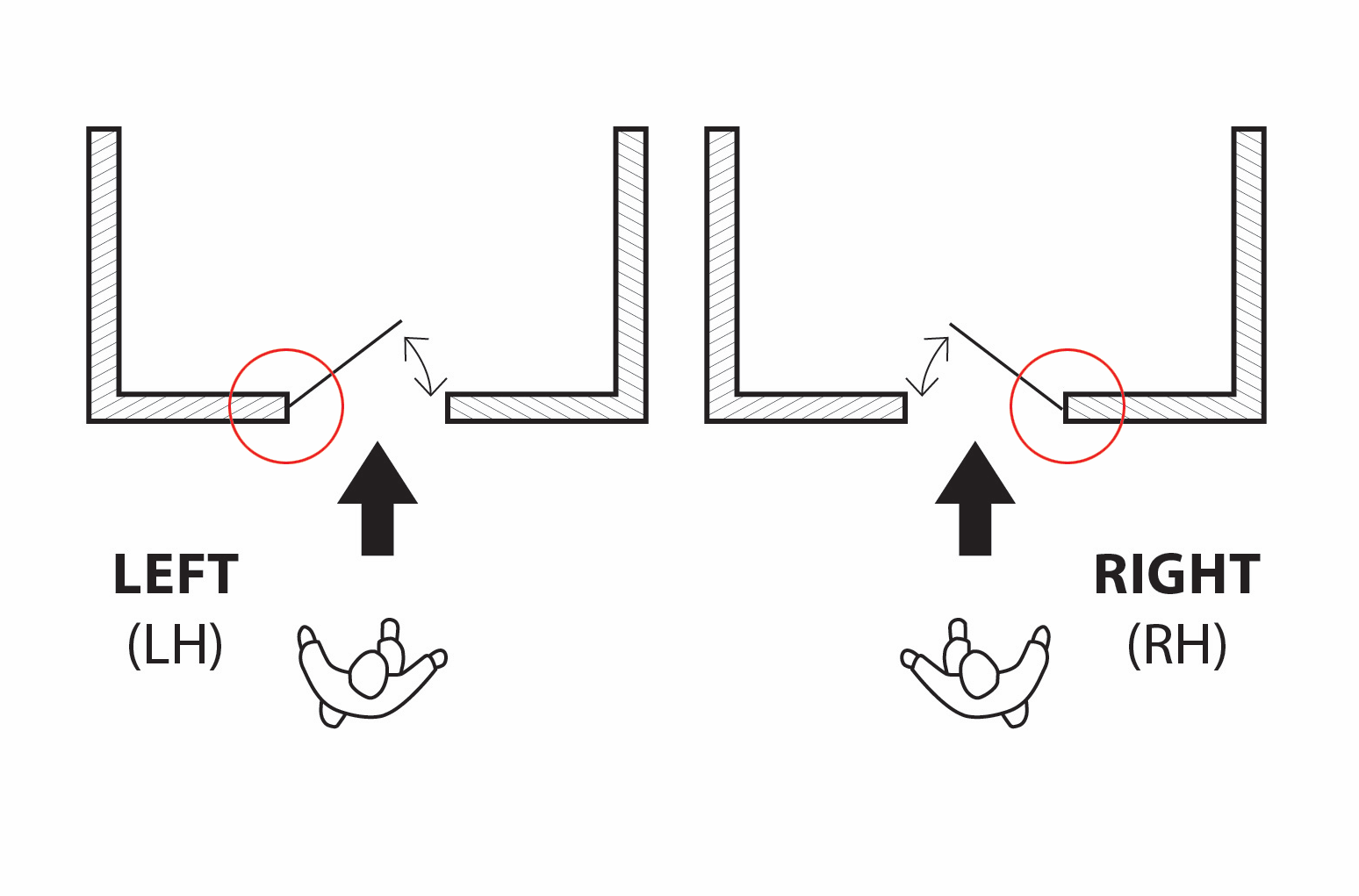
- Stand Outside the Door: Position yourself on the outside of the door. For an exterior door, stand outside the house. For an interior door, stand in the hallway, outside the bathroom, bedroom, or the room in question.
- Check the Hinges: If the hinges are on the left, you need a left-hand set. If the hinges are on the right, you need a right-hand set.
- Determine Swing Direction: If the door swings in to the house/room, it’s inswing. If it swings outside the room towards you, it’s outswing. The swing direction is typically only needed for exterior mortise sets.
Why Handing Matters for Door Hardware
Choosing the correct handing ensures:
- Proper alignment of the lever or handle for comfortable use.
- The door locks and latches securely without interference.
- A seamless look that enhances the overall door design.
Reversible Handing: A Flexible Option
Many brands offer reversible handing, meaning the hardware can be installed on either a left-hand or right-hand door. This is a great option if you’re unsure about the handing or want flexibility in your design. However, not all hardware is reversible, so be sure to check product specifications before purchasing.
Final Thoughts
Getting door handing right is a small but crucial detail that affects both functionality and design. Whether you’re renovating or building new, taking the time to choose the correct handing will ensure your doors look and work perfectly. Need expert help? Contact us for advice on selecting the perfect door hardware!