Toilets: Everything You Need to Know
Shop Toilets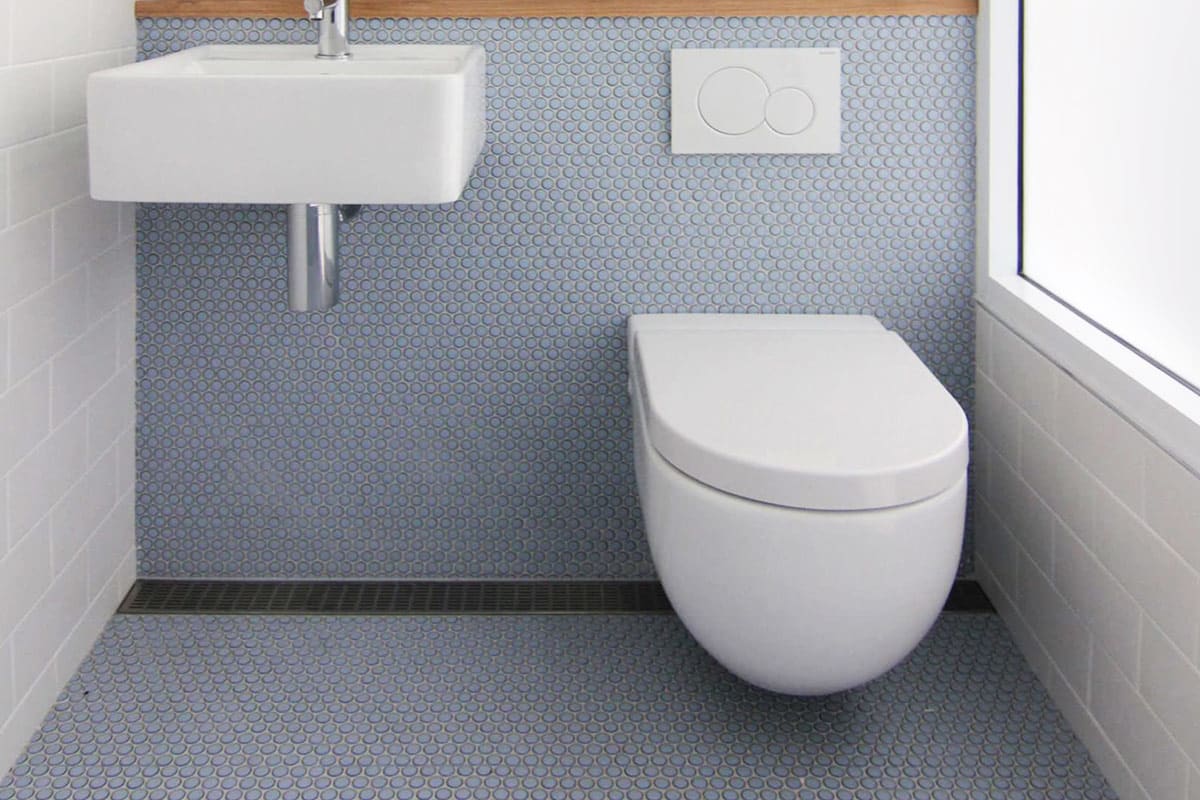
Selecting a toilet seems to be straightforward… until you start the process. We’re here to help demystify those foreign terms so that you can pick the perfect throne!
Of all the fixtures you need to choose for your bathroom, the toilet seems to be the biggest no-brainer. It’s a toilet, right? Sure, the bathroom wouldn’t quite be a bathroom without it, but toilets shouldn’t be that complicated.
That’s not quite accurate.
Finding the right toilet, especially in our technological age, is a more complex procedure than you might have expected. There’s the bowl shape and size to consider, the height, the installation, and a whole bunch of terms that you may not have ever encountered.
As kitchen and bath specialists, we’re here to take the mystification out of the toilet-selection process!
Here’s what you need to know:
Toilet height
What’s the right height for a toilet? Well, that’s kind of like asking how long is a piece of string? (Okay, not quite.) Most toilets are available in standard height and comfort height: in standard toilets, the rim is 14-15” off the ground; comfort height is typically 16-18”. A comfort height toilet is often a more comfortable choice for taller people; toilets 16.5” or higher are ADA approved for those with disabilities.
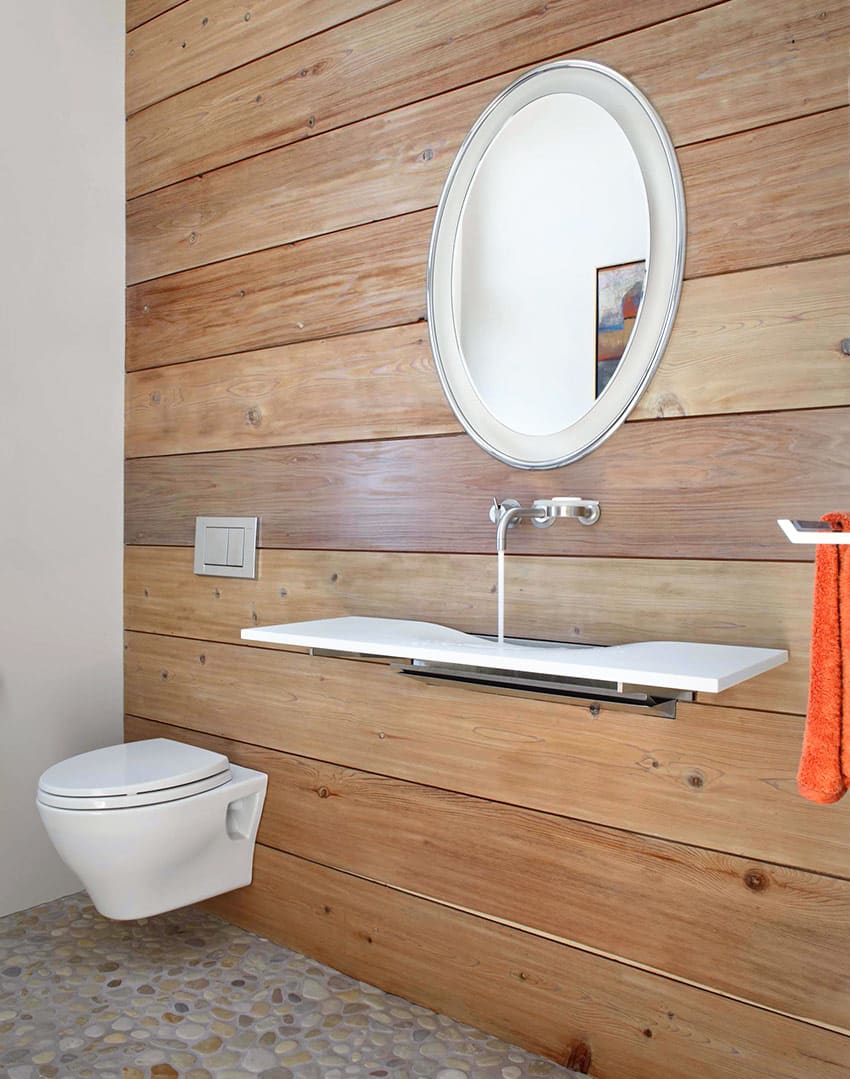
A wall-hung toilet can be installed at the height of your choice, depending on your height, needs, and personal preferences.
Bowl shape
Another big question: round or elongated toilet seat? Many people prefer the shape of the elongated seat, but it’s largely a personal decision. Always try sitting on a seat before buying to ensure that you find the shape comfortable. Round seats typically cost less and take up less room, so they’re recommended for smaller bathrooms.
One piece or two piece?
The merits of a one piece toilet versus a two piece toilet are, again, largely a matter of preference, though each has its advantages and disadvantages.
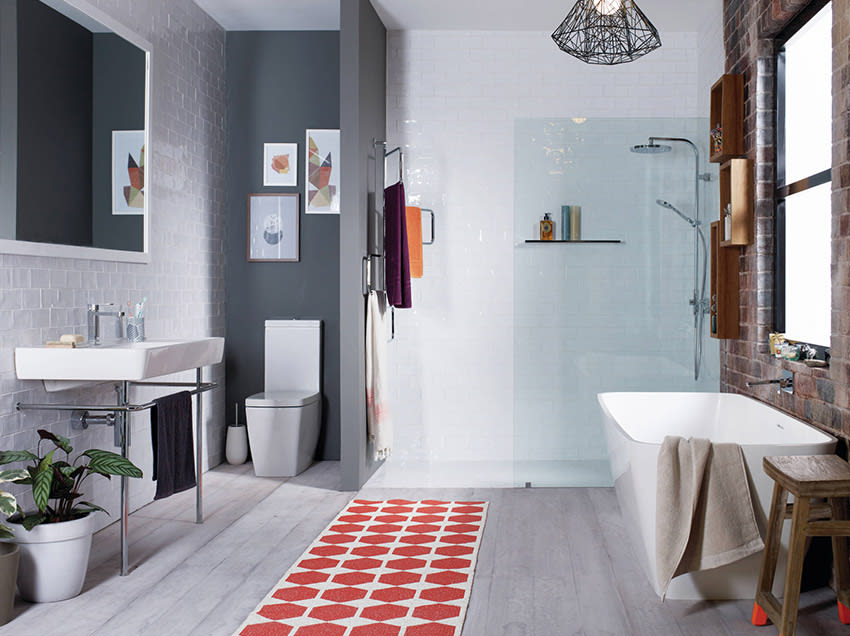
A two piece toilet consists of two pieces: the tank and the seat base. The pieces fit into each other, making it easier to transport. While these toilets are often the less expensive option, the seam where the pieces connect can be difficult to clean.
A one piece toilet contains the tank and seat base in one cohesive package. These toilets are generally costlier but are also sleeker in appearance and easier to clean.
Base shape
Classic toilets feature a tapered base with various dips and bumps. Known as concealed bases, the shape can be difficult to clean; a toilet with an integrated, seamless, or skirted base is smoother and attracts less dirt and fewer germs.
Installation and placement
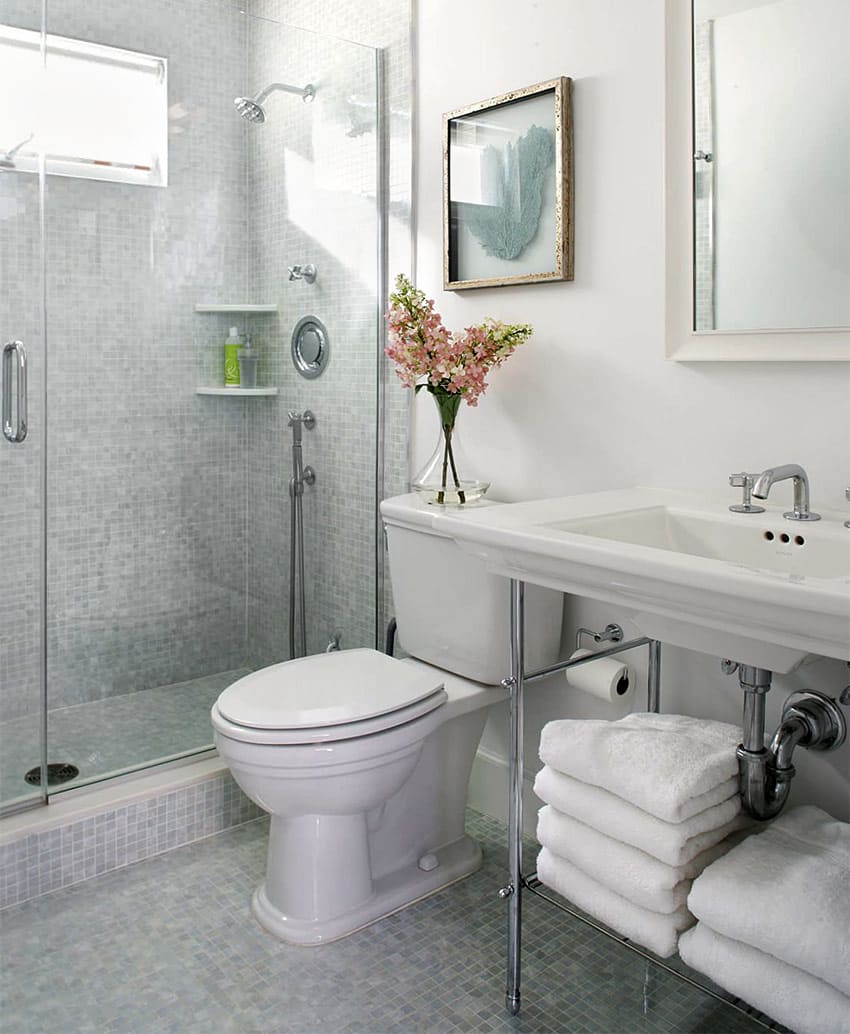
Unless you’re building a new bathroom or completely remodeling yours, moving the toilet is usually impractical. When selecting your new toilet, you’ll need to measure the rough-in distance – that is, the distance from the wall behind the toilet to the flange bolts (the bolts at the base of the toilet that anchor it to the floor). Be sure to include the baseboard in your measurements. Choose a toilet with the same rough-in distance as your existing toilet for easier installation. The most common distance is 12”, though 10” and 14” are not uncommon distances.
Choose the location of the toilet and surrounding features carefully. The toilet should be at least 15” (measured from the center of the toilet) from walls, vanities, and other fixtures, though 18”+ is a more comfortable distance.
Flushing technology
Most toilets are rated for their flushing capabilities. Always choose the best flush over other features, as an inadequate flush will require significant maintenance and repairs during the toilet’s lifetime – don’t skimp on it!
Low flow toilets, also known as high efficiency toilets, earned a bad reputation in their early days, but today that stigma is unfounded. The new generation of water saving toilets function better than ever before, thanks to pressure-assisted or gravity-flow flushing systems.
Pressure-assisted (also known as power-assisted) toilets are generally found in more commercial settings and are considerably noisier than others due to their compressed air mechanism, while gravity-flow toilets use the more familiar chain-and-flapper flush system, with improvements to use less water. Some newer toilets feature vacuum-assist flushing, where low-level negative air pressure assists with the flushing.
A dual flush toilet is another eco-friendly option. These toilets feature two buttons for flushing: one for liquid waste and one for solid, with appropriate water use for each. They’re available in both pressure-assist and gravity-flow models and, while pricier to purchase, can provide significant water savings when used properly.
The actual “flusher” is now available in far more varieties than the standard lever. Choose from dozens – if not hundreds – of lever styles, push-button flush (often more expensive but provides a sleeker, more modern look), and even touch-free plate actuators.

Special toilets
You’ll likely encounter some unfamiliar toilet terminology on your hunt, and you’ll probably ask these questions:
What is a wall hung toilet?
A wall mounted toilet is, like it sounds, mounted onto the wall with the tank inside the wall. These toilets offer more floor space, a modern appearance, and easier cleaning, but they’re also more expensive, require more complex installation, and may not be appropriate for every bathroom. To learn more about wall hung toilets, see our guide to wall hung vs. standard toilets.
What is an upflush toilet?
An upflush toilet is a modern marvel. The Saniflo upflush toilet, for example, uses a special macerating pump and a system that allows it to be installed in virtually any space in your home. To learn how upflush toilets work, check out our post on how the Saniflo upflush toilet works.
What is a tankless toilet?
Tankless toilets use high water pressure to flush, eliminating the need for a tank. These toilets are not typically found in residential settings, though they have a uniquely minimalist appearance thanks to the absence of a tank. To learn more about tankless toilets, click here.
What is a high-tank toilet?
A fixture for the vintage enthusiast, the high-tank toilet is a relic of Victorian times that’s still popular today due to its retro appeal. These two-piece toilets feature a separate tank and bowl, with the tank hung high on the wall (originally designed to build up enough pressure via gravity to flush) and connected to the bowl by a long pipe. Today, these toilets may have decorative piping and pull-chains or handles to enhance their appearance.

Add-ons and upgrades
If you’re constantly subjected to family members yelling at you to free up the bathroom, you may not want to consider these luxurious features! Today’s toilets are more comfortable than ever. Some feature a heated toilet seat, vents at the base of the toilet to warm your feet, music capabilities, built-in deodorizers, motion-sensitive seats that open as you approach, night lights, and touchscreen remote controls. Talk about thrones! (One popular and inexpensive feature to consider is the soft-close lid, which prevents loud – and painful – slamming.)
One luxurious feature that’s been popular in Europe for years and is taking off in America as well is the washlet, also known as a bidet seat. Separate bidet toilets have never been in vogue in the states, but bidet seats are an entirely different ball game. A washlet is integrated into the toilet and provides superior cleaning, often with temperature and spray settings, at every bathroom visit. One notable washlet is the Duravit Starck SensoWash, a neat, discreet model that provides users with a comfortable, satisfying clean.
Color
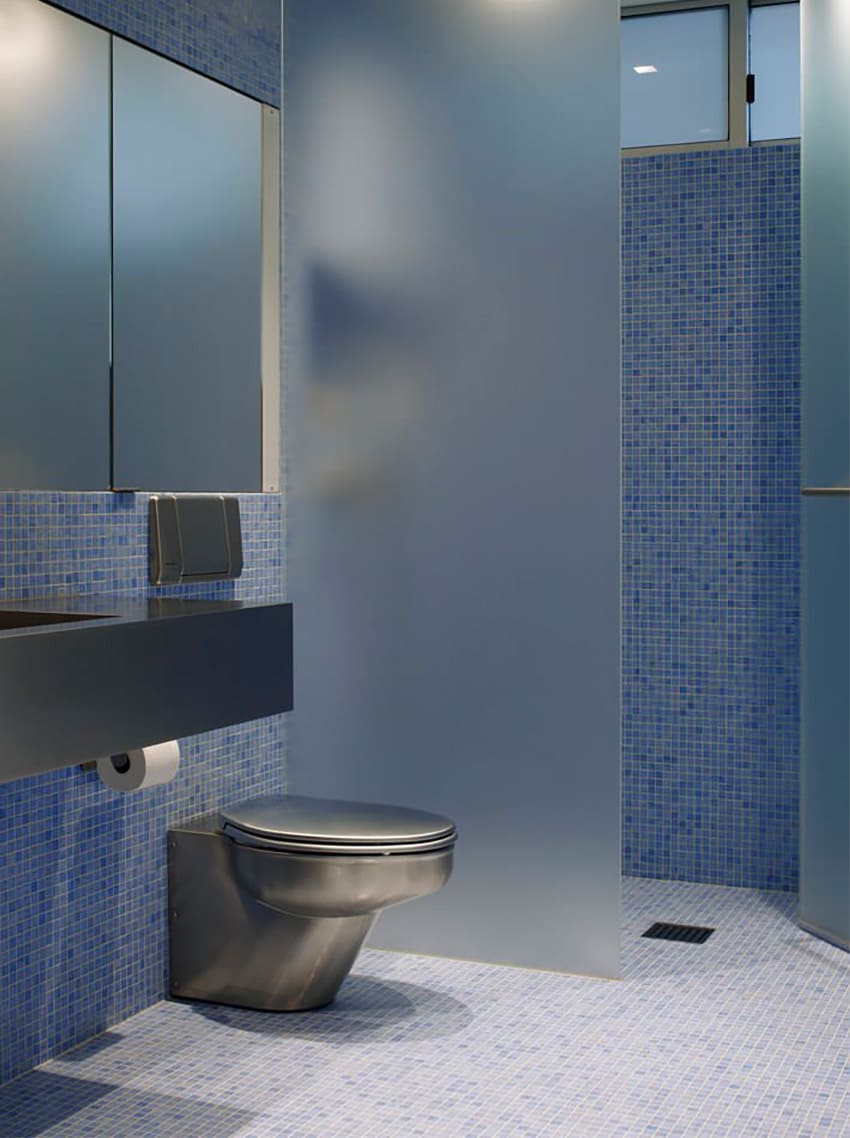
Yes, toilets come in other colors besides white and biscuit (though most prefer to go with the classic colors to avoid dating their bathrooms). Some are available in standard black, but other finishes – patterns, stainless steel, bright colors, even custom colors – can add a new level of style to your bathroom.
Pricing
Toilet prices vary nearly as much as the features do. A toilet can cost as little as $125 or as much as over $13,000 (for an over-the-top throne-style toilet – for real!); be sure to account for parts that may not be included, such as the seat, handle, or pump.
Brand
When it comes to toilets, quality really does matter. A well-made toilet will last for years and present fewer issues than cheaper models. Toto toilets are top-quality, industry-leading toilets that offer both style and functionality; Icera toilets provide superior quality at affordable prices; and Duravit toilets are renowned for their excellent quality, luxurious features, and uber-stylish appearance.