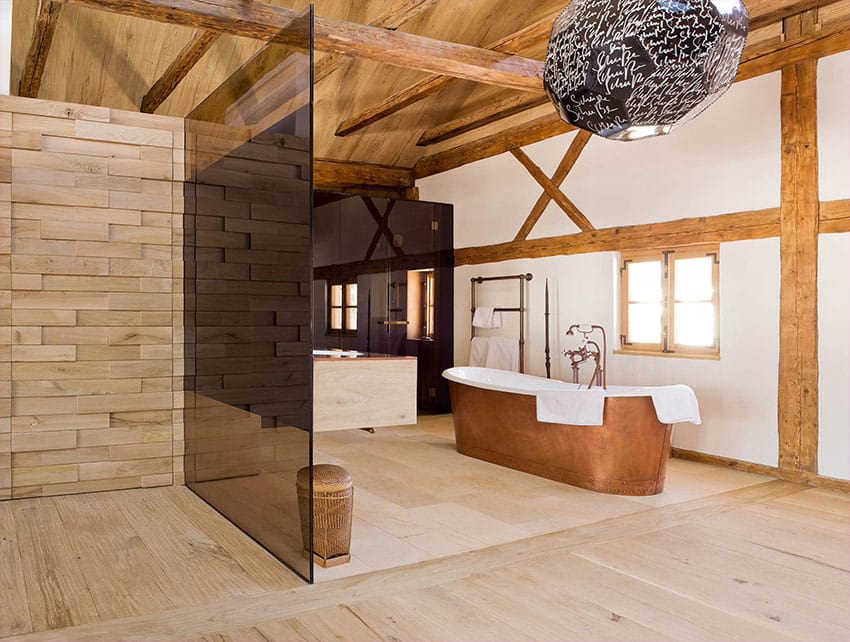
Copper Tubs: Everything You Need to Know
Shop Copper Tubs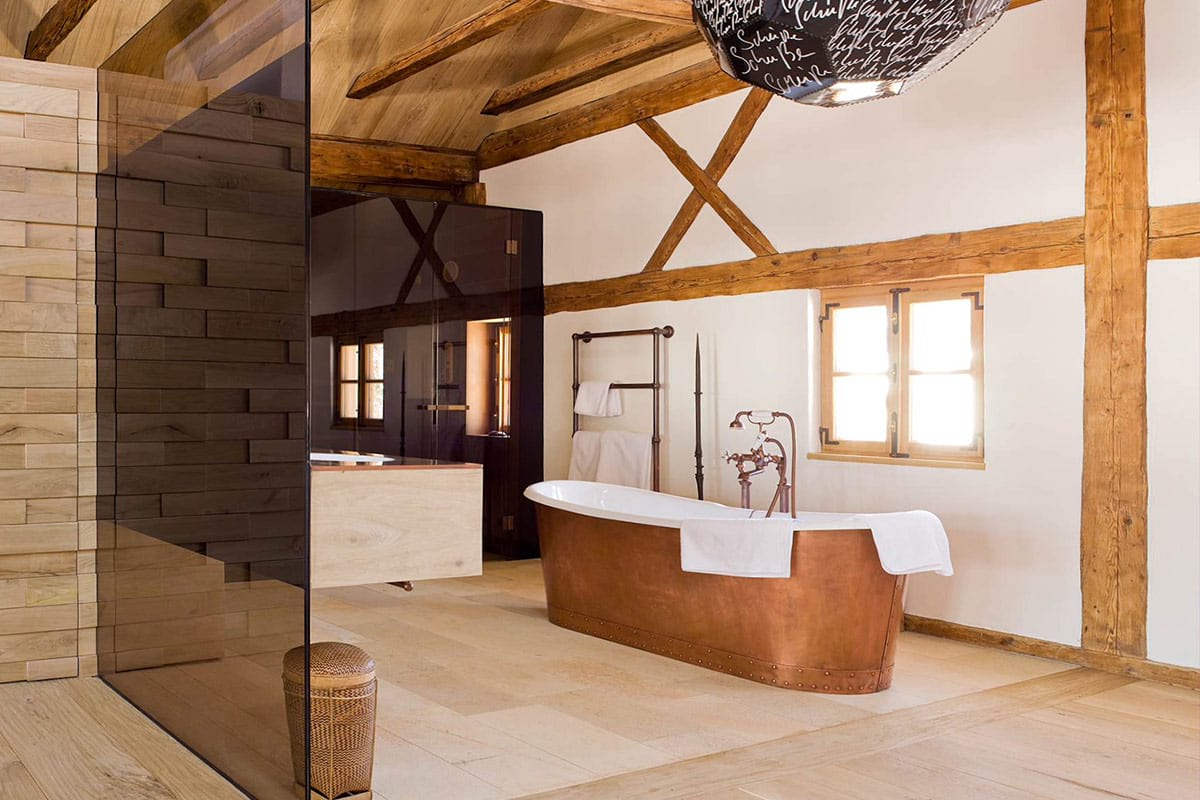
Durable? Check. Practical? Check. Drop-dead gorgeous? Check! Choose versatility, strength, and beauty in one striking tub for a focal point you’ll treasure for decades. We’ll show you how.
It’s the ultimate showstopping luxury feature for your bathroom: the copper bathtub.
If you’re seeking a truly gorgeous centerpiece that will make your heart skip a beat every time you enter the bathroom, look no further than a copper tub. These tubs are simultaneously beautiful and practical, with a host of advantages beyond their striking appearance: they’re eco-friendly, highly durable, and antibacterial.
Ready to learn everything you need to know before you buy?
What is a copper bath?
Copper tubs are made of – as the name suggests – copper, a durable yet extremely malleable metal that’s able to be molded without cracking. These tubs are rust-proof, mold-resistant, antibacterial, and good for the environment.
What are the pros and cons of copper tubs?
Pros of copper tubs
- Durable and versatile
- Beautiful, classic appearance
- Rust- and corrosion-proof
- Mold-resistant
- Antibacterial
- Retains heat
- Eco-friendly; recyclable
- Large variety of styles available
- Develops unique patina (finish) over time
- Extra-long lifespan
Cons of copper tubs
- High cost
- Requires slightly more maintenance than other materials
- Sensitive to acids and abrasive materials
How do I know if the copper is good quality?
You may encounter some unfamiliar terms when shopping for a copper bath. The most important indicator of quality is the gauge, or thickness, of the metal; the lower the number, the better the copper. Look for 14- to 16-gauge (or lower) copper; a thinner gauge (higher number) is more prone to damage.
Most copper tubs are made of recycled copper, which contains a small percentage of zinc or another alloy. A high-quality tub should contain at least 97% copper; check for unsafe additives such as mercury and lead, which lower-quality tubs may contain.
You may notice words and phrases like “cold-rolled” or “annealed” in relation to your tub. Those terms refer to the manufacturing process and do not have much impact on the quality or construction of your tub, though it’s recommended that you seek a lower gauge for annealed copper.
If your tub has seams, opt for seams that are welded rather than soldered. Soldering results in a weaker seam that’s prone to splitting, while welded seams will not weaken or break over time.
Do copper tubs retain heat?
Since copper is a metal, it conducts and retains heat well. Copper bathtubs will retain heat better than other tub materials like acrylic and porcelain without an inline heater, so your bath water stays warmer, longer.

Are copper tubs antibacterial?
Yes, copper has natural antibacterial properties, so your tub remains a hygienic environment. It will also never rust or corrode.
Are copper tubs safe?
High-quality tubs made of pure or nearly pure recycled copper are completely safe. Lower-quality tubs may contain unsafe levels of mercury or lead, which can leach toxins into the water, making the tub unsafe for bathing. Check your tub’s metal composition to ensure that it contains no unsafe alloys.
Because most copper tubs are freestanding, an additional safety concern is entering and exiting a high-walled tub safely. If climbing in and out may be difficult for you, consider a set of matching copper steps for security.

What styles and colors of copper tubs are available?
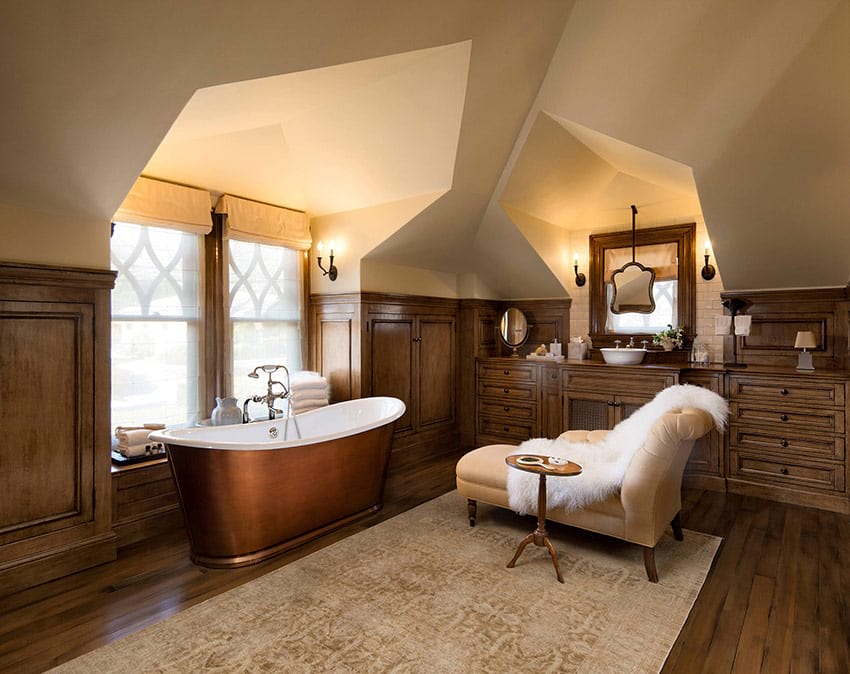
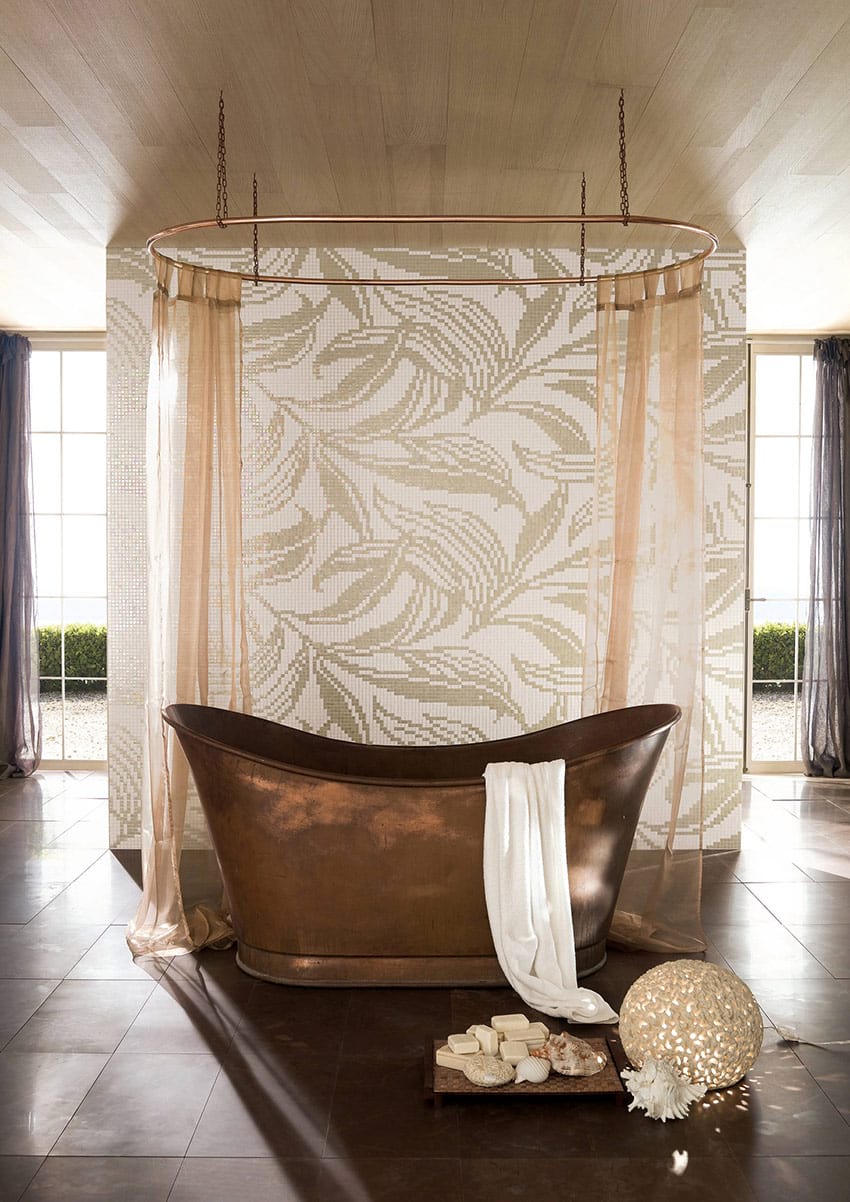
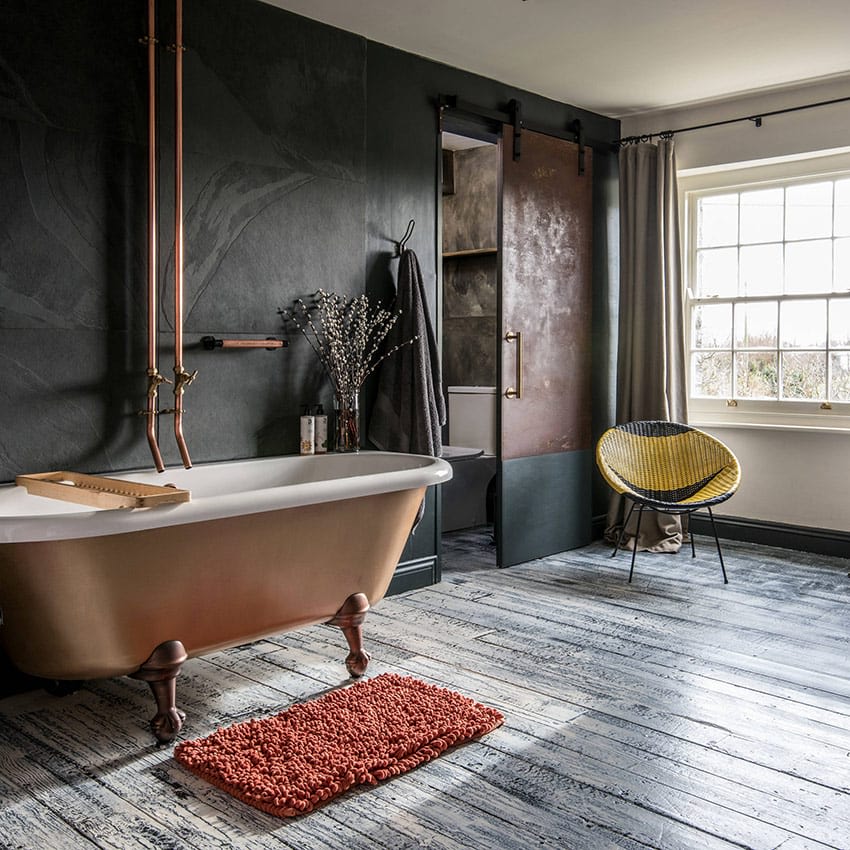
Copper tubs are available in a wide variety of styles. The most popular are inspired by antique copper bathtub styles, including the freestanding copper bath, copper clawfoot tub, and copper slipper tub (a freestanding bath with one or both ends sloped for comfort and visual interest). Many feature extra detailing or pedestals; a copper roll top bath has a rim that is “rolled” for a timeless appearance.
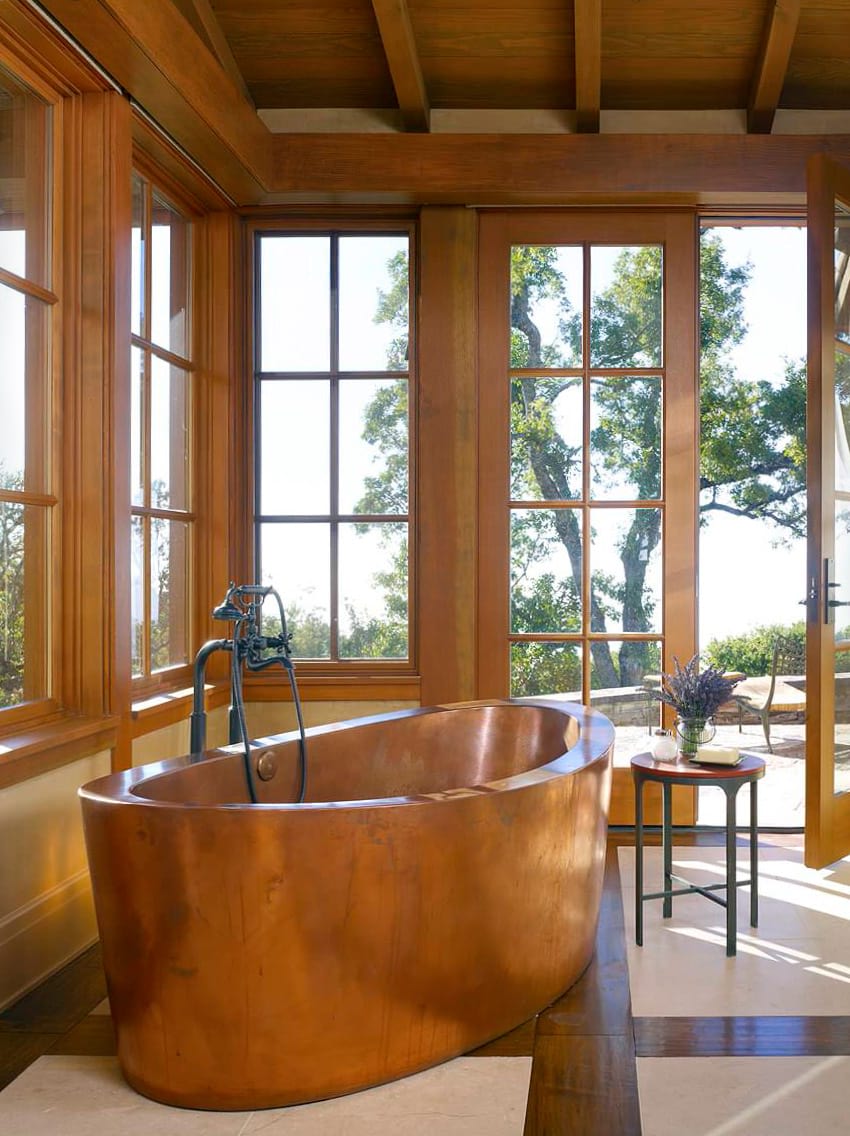
While copper tubs are commonly large and rectangular or oval-shaped, even a smaller bathroom can be fitted with a beautiful Japanese-style copper soaking tub with a small, deep footprint.
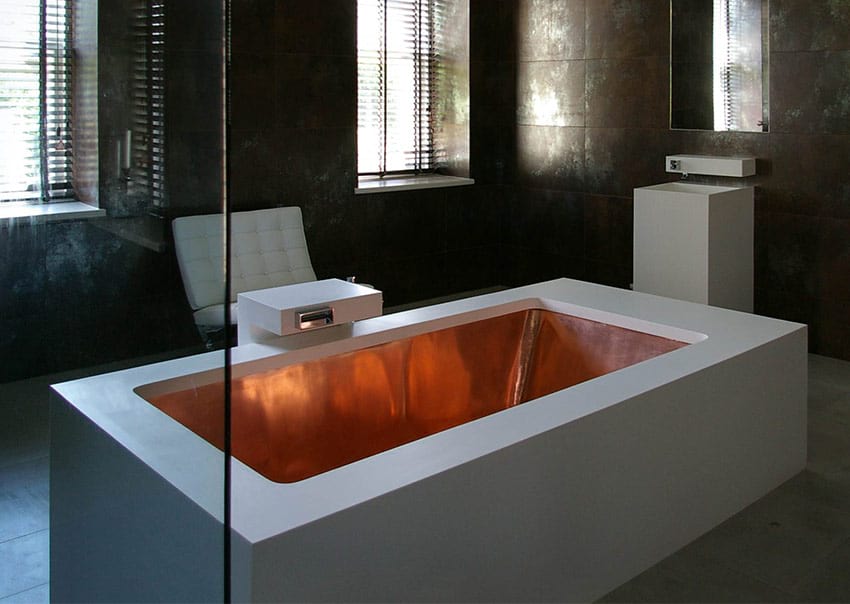
Some copper tubs are lined in a contrasting metal such as nickel or even acrylic; consider the interior before purchasing as it may be less expensive but does not offer all of the advantages of a copper interior.
The copper may be smooth or hammered, depending on your preference. A smooth finish is more likely to show damage, while a hammered copper bathtub conceals damage and is less likely to dent.
Copper is available in a range of colors, from brand-new-penny shiny to deep brown and every shade in between. All finishes will develop a patina, or a unique living finish, as it “tarnishes” over time; darker finishes will develop a less noticeable patina than brighter finishes. To strip off patina, use a copper polishing cream once or twice a year (more frequent polishing will damage the finish).
To preserve the current patina on your tub, wax it with copper wax, beeswax, or furniture polish on a regular basis to slow the progression; if you’re entirely satisfied with the patina, apply clear lacquer to preserve it.
Can a copper tub have jets?
Yes. While most copper tubs are soaking tubs, there are some copper air tubs on the market.
Do copper tubs turn green?
While copper roofs and gutters tend to turn green, you don’t have to worry about your beautiful tub looking like the Statue of Liberty. The green develops as a result of exposure to saltwater and weather changes, so it’s rare that an indoor fixture will turn green.
How heavy is a copper bathtub?
Copper tubs are quite heavy as they are made of metal. Check the weight of the tub (and factor in extra weight for water and bathers) before buying to ensure that your floor can support it.
Cleaning and maintenance
Copper requires more care than many other materials but is still fairly low-maintenance. It’s also naturally antibacterial and mold-resistant, so the tub is consistently sanitary.
How to clean and maintain a copper tub
- Rinse the tub with clean water and pat dry after every use for best results
- Do not use abrasive cleaning products or cleaning agents
- Clean the tub regularly with mild dish soap and a soft cloth
- Avoid contact with acids like lemon juice and vinegar; if contact occurs, rinse immediately
- Wax the tub occasionally to prevent scratching and mineral buildup
- To strip unwanted patina, use a copper polishing cream not more than once or twice a year
One commonly asked question is: can you use bath salts in a copper tub? And the answer to that (sorry, bath salt fans) is no. Salt will damage the tub’s patina.
Keep in mind that while scratching may occur, copper has a “living finish” and is capable of “healing” itself. Because the patina develops due to exposure to air and water, scrapes and scratches will eventually disappear and become part of the overall finish.
How much does a copper tub cost?
All of those advantages do come at a price! Copper is one of the most expensive bathtub materials, but it’s well worth the cost. A high-quality copper tub can cost anywhere from $2,400 (for a small model) to $35,000 or more, depending on factors like size, finish, features, and brand.
What is the best brand of copper tubs?
Ready to make your bathroom breathtaking? At Quality Bath, we offer the finest copper tubs available. Some of our favorite brands include Aquatic, for copper soaking and air tubs; Barclay, for affordable luxury and beauty; Herbeau, for a truly opulent indulgence; and brands specializing in copper, like Sierra Copper, Native Trails, and Premier Copper, for unbeatable quality and expertise in every striking piece.