Kitchen Sink Drains: Which Drain You Need for Your Sink
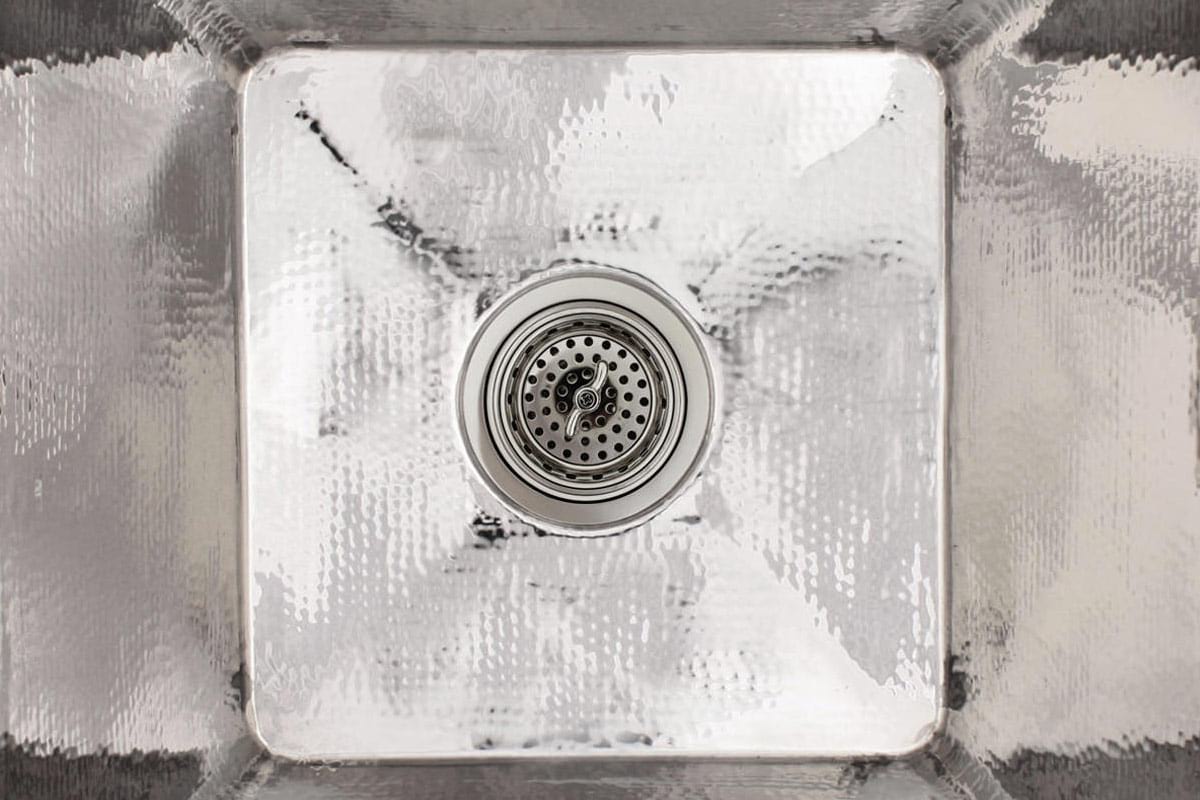
Protect your plumbing! To keep your sink and your pipes clean and efficient, outfit your sink with the right drain accessories. Your most commonly asked questions, answered.
You’ve gotten past the hard part – choosing the perfect kitchen sink. There’s just one more thing you need to do, but don’t worry – it’s not too complicated and we’ll walk you right through it!
The sink drain may seem like a fairly benign item – after all, there’s a hole right there in the sink, isn’t there? – but there are more options than you’d think. To outfit that hole in the sink, you may encounter both familiar and unfamiliar terms like garbage disposal, disposal flange, basket strainer, and stopper.
Today, we’re demystifying your sink drain options and answering your most frequently asked questions.
Garbage disposal
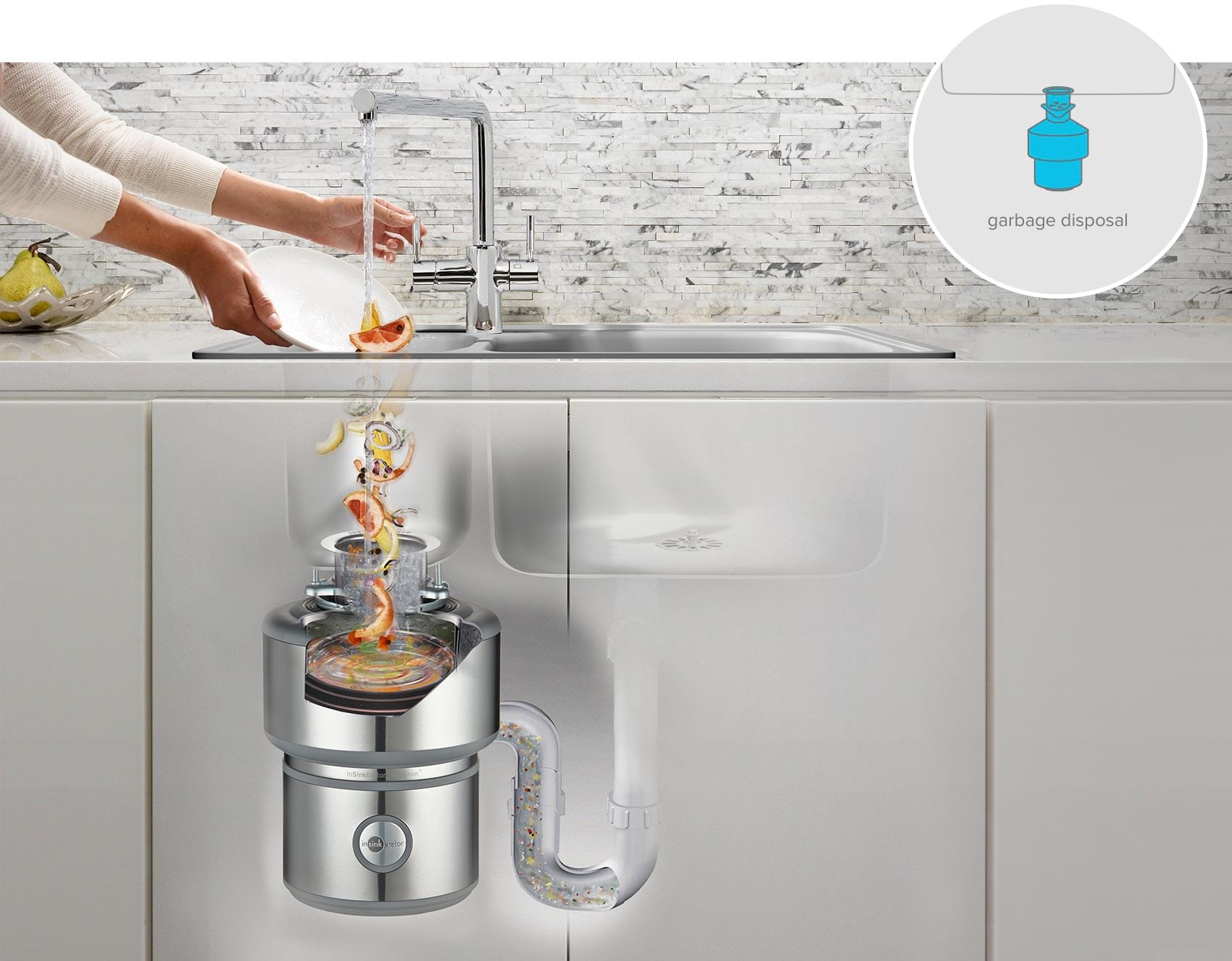
The garbage disposal, also known as a disposer, is a handy gadget that fits into your sink drain and grinds up food waste for clean disposing without that food-in-the-trash-can smell (and a family of raccoons taking up residence in your receptacles).
The little powerhouse serves many purposes: it cuts down on trash, improves the sanitary conditions of your home, and makes food disposal easy, neat, and odorless. Plus, garbage disposals are environmentally responsible; they can help reduce greenhouse gas emissions and allow food waste to be recycled as fertilizers or produce methane, a renewable source of power for wastewater treatment plants.
Garbage disposals can also be pretty finicky, but when you take care of one properly, it’ll take care of you!
Do
- Clean it regularly; ice cubes, especially when made of natural cleaners and deodorizers like lemon juice or vinegar, help degunk and sharpen the blades
- Toss in lemon or orange slices or rinds occasionally; they freshen the disposer
- Run the garbage disposal with cold water only; if there’s residual fat or grease in it, cold water will allow it to harden and then chop it up, as opposed to hot water which will make the fat accumulate in the unit or the pipes
- Get a nice switch or button to operate it when possible – you can avoid an awkwardly-placed or ugly standard switch
- ALWAYS unplug the unit before reaching in to retrieve objects and wear gloves to protect your fingers from the blades
- Choose the right power for your usage; a minimum of 1/2 horsepower is recommended for most households, but 3/4 or 1 horsepower (or more) is better for heavier use
- Cover the opening when not in use (so you don’t risk a finger or three digging out that teaspoon); try a basket strainer or a stopper (more on that below)
Don’t
- Put anything non-edible or combustible into the unit (glass, china, plastic, metal, and cigarette butts are the biggest no-nos, but any non-edible substance should never go into the disposer)
- Pour grease, oil, or fat into the unit
- Overload the disposer; put in small amounts of food at a time rather than trying to jam in larger quantities or items
- Grind these food items:
- large bones; smaller or soft chicken or fish bones are fine and will even scour the unit
- fibrous, stringy, or starchy vegetables and fruits (asparagus, bananas celery, onion skins, artichokes, corn husks, potato peels) – fibers will tangle and starches will become pasty and sticky
- expandable foods (pasta, rice); they’ll clog the pipes
- coffee grounds (they may smell good, but they’ll clog the pipes – small amounts are okay)
- egg shells; the membranes will cling to the blades
- large fruit pits (peaches, plums) – small pits are fine and can sharpen the blades
- Use bleach or other harsh cleaners, which dull the blades
- Turn off the water until grinding is complete; leave (cold) water running for at least 15 seconds after turning off the disposer
To keep your garbage disposal in optimal working condition, follow our guide on how to clean your garbage disposal.
Disposal flange
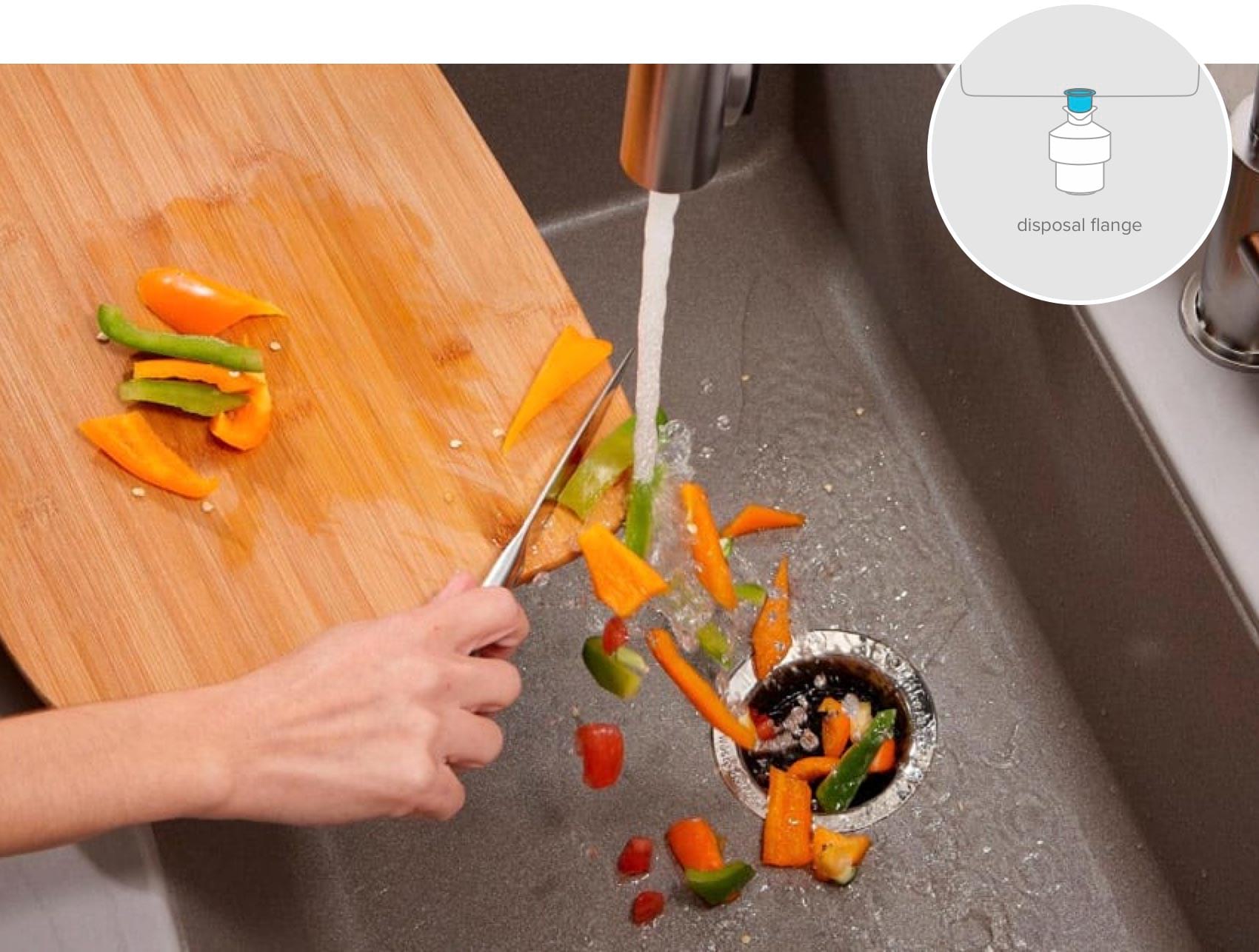
If you’re putting in a garbage disposal, you’ll need a disposal flange. The flange is a ring that connects the disposal to the sink and is slightly sloped to allow water to run unimpeded into the drain; it’s like a mounting bracket for the disposal. Always check the compatibility of the flange with your disposer – many are universal, but some do not fit certain models or manufacturers.
Make sure you know the size of your drain and your disposal; if you don’t have that information (it should be in your sink description), measure the drain across its widest part, inside of the edge. Most drains are approximately 3”-4”. Measure the depth as well, but not in the center of the drain – measure it at its shallowest point, next to the edge (most drains slope inward).
You’ll need these measurements to choose a basket strainer, too.
Stopper
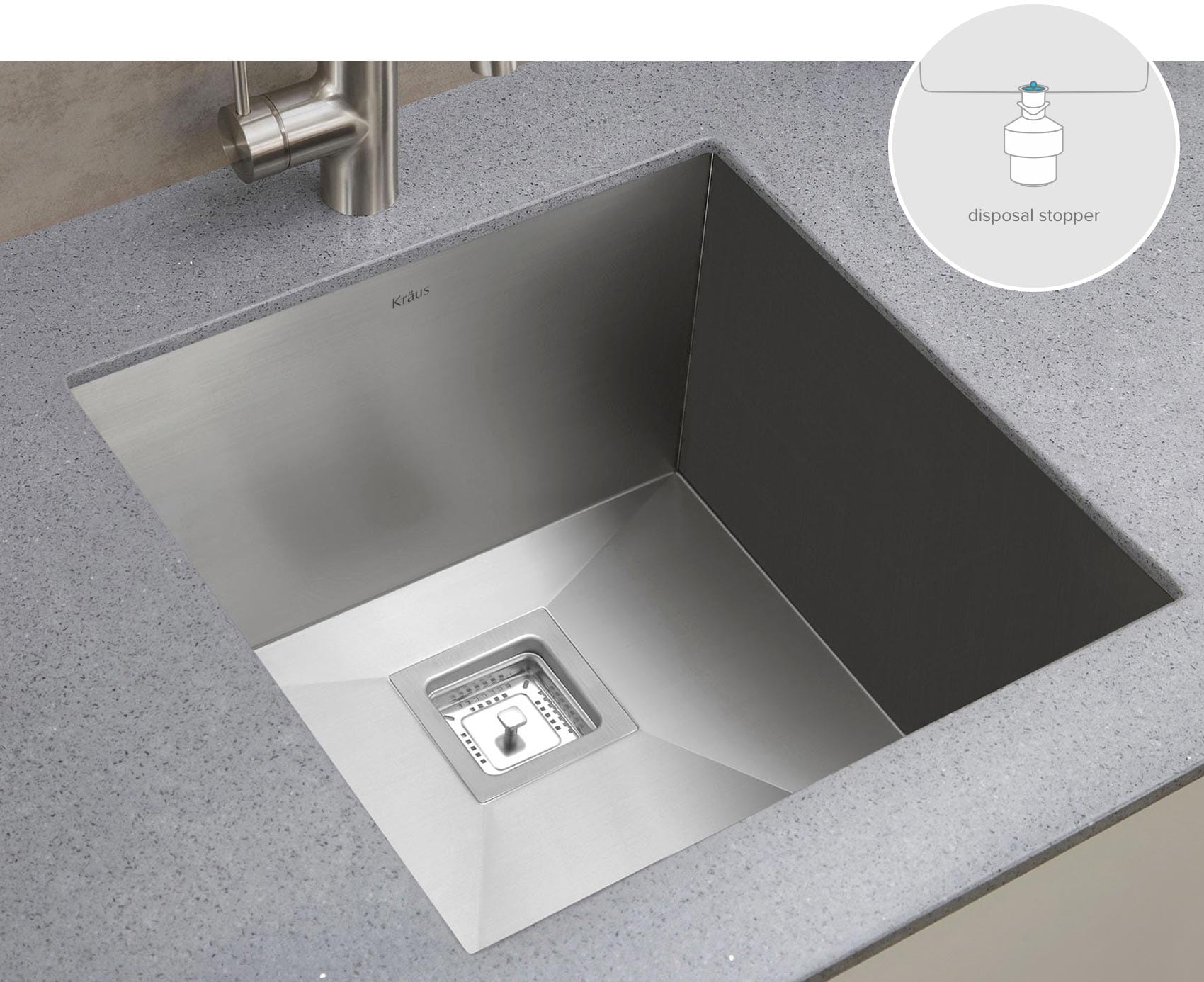
Many disposal flanges come as a set with a disposal stopper. You’ll need a stopper (usually made of rubber or metal with a rubber ring) to cover your drain when you need to fill the sink or protect someone’s fingers. Your disposal may not be compatible with a basket strainer, so you will need a stopper for closing the drain when necessary.
Basket strainer
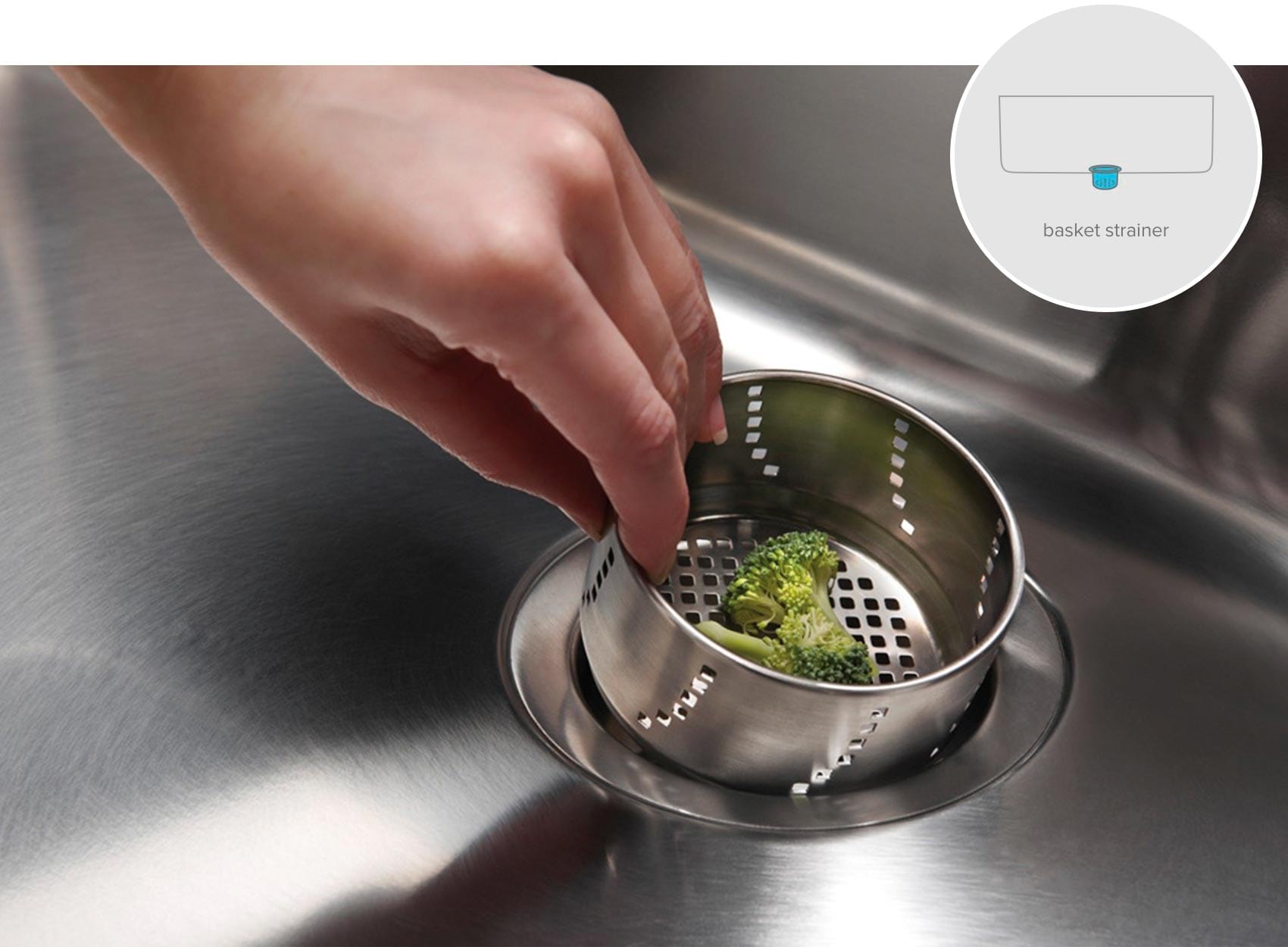
Whether you opt for a disposal or not, you shouldn’t leave your drain unprotected. A simple basket strainer, also known as a crumb cup, is a low-cost but very effective accessory that will save you from countless clogged drains.
The strainer may be plain or decorative and serves a simple purpose: to catch pieces of food and debris and prevent them from going down the drain. With a decorative strainer, you’ll get the added bonus of a pretty design inside of your sink – talk about making dishwashing fun again!
Like stoppers, basket strainers can also be closed when you want to fill the sink with water.
Still not sure which part you need? For personal assistance in choosing the right accessories for your sink, give us a call at 800.554.3210.